Revive Leftover Spaghetti: The 5-Minute Skillet Solution
Ah, spaghetti. A timeless comfort food, a go-to family meal, and, often, the source of a familiar kitchen conundrum: leftovers. We've all been there – staring at a container of day-old spaghetti, its once-luscious sauce congealed, its vibrant noodles clumped together, a sad testament to a meal enjoyed yesterday. The thought of microwaving it to an uneven, rubbery state is enough to deter even the most dedicated pasta enthusiast. But what if there was a simple, lightning-fast method to not just reheat, but genuinely bring spaghetti back to life?
Prepare to banish food waste and culinary disappointment forever. This comprehensive guide will reveal the secrets to transforming your forgotten pasta into a fresh, flavorful dish in a mere five minutes, culminating in a delightful leftover skillet spaghetti with tomatoes and green peppers that tastes every bit as good as – if not better than – its original form. Get ready to rediscover the joy of your pasta, revived and reimagined!
The Lingering Question: Why Do We Always Have Leftover Spaghetti?
It's a universal kitchen truth: estimating spaghetti portions is an art form no one has truly mastered. The well-intentioned query, "How hungry are you?" rarely yields the precise numerical answer needed to cook the exact amount. Instead, we're met with vague replies like "sorta hungry" or "ravenous," leading many of us to err on the side of abundance, tossing a whole box into the boiling pot. And, more often than not, a portion finds its way into a storage container, destined for the refrigerator.
While the initial intent is to enjoy it later, the reality often bites: no one quite fancies that cold, unappealing mass. This cycle leads to perfectly good food going to waste, a disheartening outcome for anyone who values their groceries and hates contributing to landfill. But what specifically happens to spaghetti that makes it so unappealing the next day? Understanding the science is the first step to a delicious revival.
Unmasking the Culprits: Why Day-Old Spaghetti Loses Its Luster
Before we dive into the delicious solutions, it’s crucial to understand the fundamental reasons why leftover spaghetti often falls short of its fresh glory. Two primary culinary antagonists are at play here: moisture loss and starch retrogradation.
When spaghetti cools and sits in the refrigerator, the sauce begins to dry out. Its moisture evaporates, leaving behind a more concentrated and sometimes overwhelming flavor profile. Simultaneously, the porous pasta noodles act like sponges, absorbing the remaining sauce and moisture, which causes them to swell, become sticky, and clump together in an unappetizing tangle. This absorption often results in a drier, less palatable dish overall.
The second, more scientific culprit is starch retrogradation. This is a natural chemical process where the starch molecules within cooked pasta (and other starchy foods like rice or potatoes) begin to realign themselves into a more ordered, crystalline structure as they cool. This rearrangement makes the pasta firmer, chewier, and less digestible. When reheated, especially improperly (like in a microwave), this retrogradation is exacerbated, leading to a tough, rubbery texture that’s far from the al dente perfection you enjoyed previously.
Recognizing these challenges is key to employing effective revival techniques that counteract these undesirable changes, allowing you to master the art of bringing your spaghetti back to life.
The Skillet Revival: How to Bring Spaghetti Back to Life in 5 Minutes
Forget the microwave for a moment; truly bringing spaghetti back to life requires a gentler, more controlled approach. The stovetop method is your best friend here, and it’s surprisingly quick! This ingenious hack directly addresses how to bring spaghetti back to life, transforming it from a clumpy mass into delightful, rehydrated strands.
Here’s the core technique:
- Gather Your Leftovers: Start with your cold, leftover spaghetti. Don't worry if it's a solid block – we're about to work magic.
- Prepare the Skillet: In a large skillet (one that can comfortably hold your spaghetti), add about 2 cups of water. For extra flavor, you can substitute some or all of the water with chicken broth, vegetable broth, or even a splash of leftover marinara sauce thinned with water. A tiny drizzle of olive oil can also help prevent sticking.
- Bring to a Boil: Place the skillet over high heat and bring the liquid to a rolling boil.
- Add the Spaghetti: Carefully add your cold, leftover spaghetti to the boiling liquid. Break it up gently with a spoon or tongs if it's heavily clumped.
- Cook Briefly: Let the spaghetti cook for just 30 seconds. This brief dip in boiling water is all it needs to rehydrate, separate, and become pliable again.
- Drain and Serve (or Continue): Immediately drain the water from the skillet. Your spaghetti is now rehydrated, separated, and ready for its next act!
This simple stovetop method is vastly superior to microwaving, which often leads to uneven heating and those dreaded rubbery noodles. For more detailed insights into superior reheating methods that go beyond the microwave, be sure to check out Mastering Leftover Spaghetti: Beyond the Microwave for Best Taste.
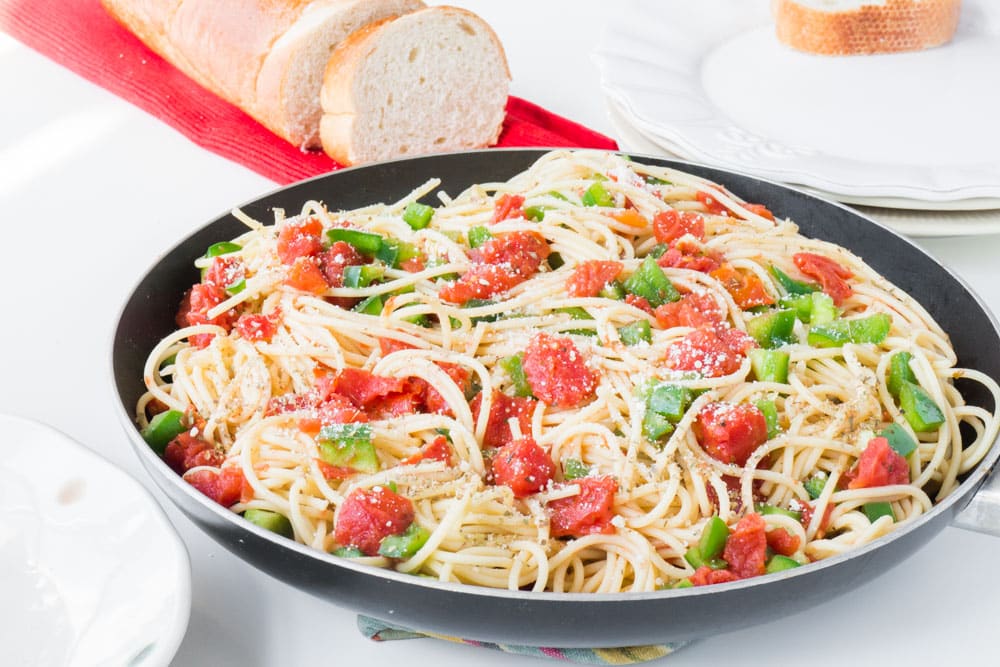
Recipe Spotlight: Leftover Skillet Spaghetti with Tomatoes and Green Peppers
Now that your spaghetti has been beautifully revived, it's time to elevate it into a fresh, vibrant meal. Our featured dish, leftover skillet spaghetti with tomatoes and green peppers, is not only quick and easy but also packed with fresh vegetables, making it a fantastic, lighter option for any season. It’s the perfect antidote to heavy winter stews and an ideal way to enjoy the taste of summer any time of year.
What You'll Need:
- Your revived leftover spaghetti
- 1-2 tablespoons olive oil
- 1 fresh green pepper, diced
- 1 can (14.5 oz) diced tomatoes, undrained (or 1-2 fresh tomatoes, diced)
- Salt and freshly ground black pepper to taste
- Freshly grated Parmesan cheese, for serving
- Optional: Garlic powder, onion powder, red pepper flakes for extra flavor
The 5-Minute Transformation:
- Sauté the Peppers: In the same skillet (wiped clean or rinsed briefly after draining the spaghetti), add the olive oil over medium-high heat. Add the diced green peppers and sauté for 2-3 minutes, until they start to soften and become fragrant.
- Introduce the Tomatoes: Pour in the undrained diced tomatoes. Stir well, bringing the mixture to a gentle simmer. If using fresh tomatoes, cook until they break down slightly. Season with salt, pepper, and any optional spices like garlic powder or red pepper flakes.
- Combine with Spaghetti: Add your rehydrated spaghetti back into the skillet with the tomato and pepper mixture. Use tongs to toss everything together, ensuring the spaghetti is well coated with the fresh sauce. This will only take about 1-2 minutes, just long enough for the spaghetti to absorb the new flavors and heat through.
- Finish and Serve: Remove from heat. Drizzle with a little extra olive oil if desired, and finish with a generous sprinkle of freshly grated Parmesan cheese.
This dish feels light and fresh, a welcome contrast to heavy casseroles. The combination of vibrant green peppers and juicy tomatoes, coated in rich olive oil and savory Parmesan, truly makes you feel like you're enjoying a summer feast, even on the chilliest days. Serve it alongside some crusty Italian bread to soak up every last drop of the delicious sauce – because, let's be honest, bread makes everything better!
Beyond the Basic Skillet: Tips for Maximum Flavor and Zero Waste
This skillet method is incredibly versatile, allowing you to continuously experiment and create new meals from your leftovers. The goal is to never let leftover spaghetti go to waste again, and here are a few additional tips to keep your culinary creativity flowing:
- Vary Your Vegetables: Don't limit yourself to just tomatoes and green peppers. Sauté diced onions, mushrooms, spinach, zucchini, or bell peppers of any color. Add them to the skillet with the tomatoes for a colorful, nutrient-packed meal.
- Boost the Protein: Turn your revived spaghetti into a heartier dish by adding cooked protein. Stir in shredded rotisserie chicken, leftover cooked sausage, sautéed shrimp, or even a can of drained chickpeas for a vegetarian option during the last minute of cooking.
- Cheese, Please!: While Parmesan is classic, consider other cheeses. A sprinkle of mozzarella, a dollop of ricotta, or a grating of Pecorino Romano can change the entire flavor profile.
- Herbs Make a Difference: Fresh basil, oregano, or parsley stirred in at the end can brighten the flavors significantly. Dried herbs can be added with the tomatoes.
- Spice It Up: A pinch of red pepper flakes can add a lovely kick, especially if your original sauce was mild.
- Embrace the "Never Waste" Philosophy: This method is not just about a single recipe; it's a mindset. With a little creativity, almost any leftover pasta dish can be transformed. For even more inventive ways to repurpose your pasta, explore Never Waste Spaghetti Again: Your Guide to Delicious Revival.
Conclusion
No longer will leftover spaghetti be a source of culinary dread or regrettable food waste. With this simple, 5-minute skillet solution, you now possess the power to truly bring spaghetti back to life, transforming it into a vibrant, delicious meal like our featured leftover skillet spaghetti with tomatoes and green peppers. It’s a testament to how easy it is to make something truly special from what was once overlooked. So go ahead, cook that whole box of spaghetti, knowing that any leftovers are just minutes away from becoming your next favorite meal. Enjoy the quick, easy, and satisfying taste of revived pasta, every single time!
