The Undeniable Truth of Leftover Spaghetti: A Culinary Conundrum
Ah, spaghetti! A timeless comfort food, beloved by nearly all. Yet, for all its simple charm, it presents a common kitchen dilemma: how much to make? Whether you’re cooking for a bustling family dinner or a quiet meal for two, gauging appetites is an elusive art. “Sorta hungry” or “very hungry” rarely translates into an exact portion, often leading to the inevitable – a generous mountain of perfectly good spaghetti that finds its way into a container in the fridge.
For many, this is where the joy ends. That once-luscious pasta can transform into a clumped, dry, and often unappealing mass. The vibrant sauce congeals, the noodles lose their spring, and the thought of reheating it in the microwave often conjures images of rubbery strands and unevenly warmed bites. But what if we told you that leftover spaghetti doesn't have to be a culinary consolation prize? What if you could not only salvage it but *transform* it into a dish that rivals its fresh-made glory, often in mere minutes? This article will guide you on precisely
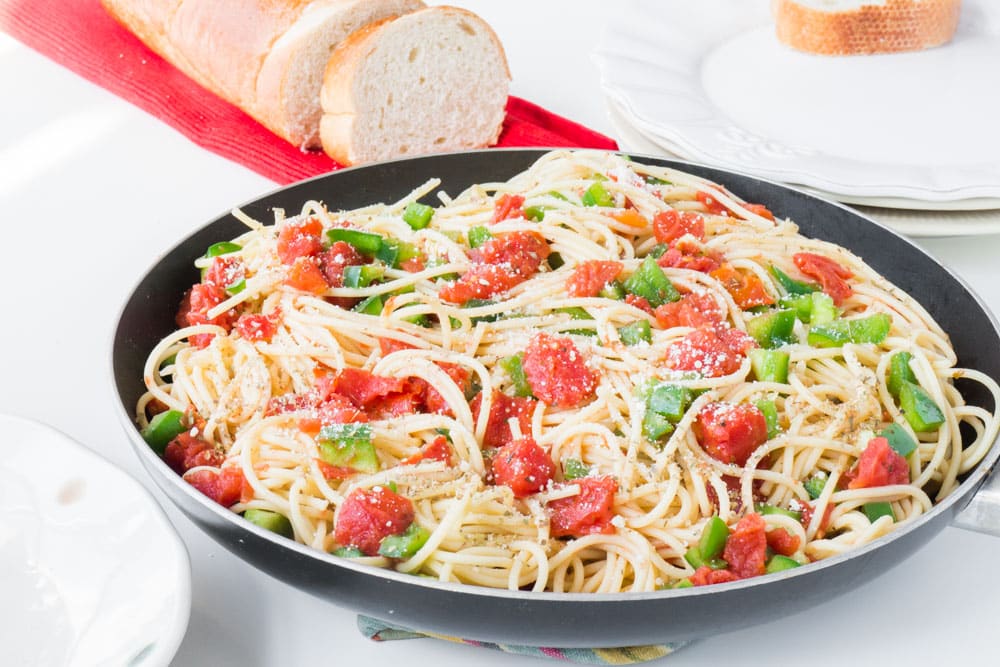
how to bring spaghetti back to life, particularly focusing on a delightful
leftover skillet spaghetti with tomatoes and green peppers, ensuring no noodle ever goes to waste again.
Understanding the Fading Luster of Day-Old Pasta
Before we dive into the revival techniques, it's helpful to understand *why* leftover spaghetti often disappoints. It’s not just a matter of taste; there's science at play. The two primary culprits are moisture loss and starch retrogradation.
When spaghetti cools and sits in the refrigerator, the sauce's moisture evaporates, leaving it drier and sometimes intensifying flavors to an overwhelming degree. Simultaneously, the pasta noodles, which were once perfectly al dente, absorb much of the remaining moisture and sauce, causing them to swell, become sticky, and clump together.
Starch retrogradation is a less familiar term but equally significant. This chemical process occurs as the starch molecules in cooked pasta realign into a more rigid, crystalline structure. This realignment results in a firmer, sometimes tougher or chewier texture, especially noticeable upon reheating. It’s why that fresh, tender bite seems to vanish overnight. But fear not, pasta enthusiasts, for these challenges are easily overcome with the right approach!
Beyond the Microwave: The Art of Gentle Reheating
For many, the microwave is the default for reheating leftovers. While undeniably quick, it's often the nemesis of perfectly reheated spaghetti. Its tendency for uneven heating creates pockets of lukewarm noodles alongside overly hot, rubbery ones. If you're serious about enjoying your leftover pasta, it's time to retire the microwave for this particular task.
The Stovetop Method: A Spa Day for Your Spaghetti
The stovetop offers a controlled and gentle environment, ideal for coaxing your pasta back to life. It’s the superior method for reintroducing moisture and warmth evenly.
1.
Basic Revival: For simple reheating, place your leftover spaghetti in a skillet or saucepan over medium-low heat. Add a splash of water, chicken or vegetable broth, or even a little extra tomato sauce – about a tablespoon or two per serving is usually sufficient. This added liquid helps to loosen the noodles and rehydrate the sauce.
2.
Gentle Warmth: Stir frequently and gently, allowing the pasta to warm through without scorching. The goal is to bring it back to a pleasant temperature and texture, not to cook it further. A drizzle of olive oil can also help prevent sticking and add a touch of fresh richness.
This basic stovetop method is effective, but we can do even better. We can transform it into something new and exciting!
Transforming Leftover Spaghetti: The Skillet Sensation
This is where the magic truly happens, elevating your humble leftovers into a fresh, vibrant meal. Imagine a quick, satisfying dish brimming with fresh vegetables and robust flavor – all from what was once destined for the bin. This is the essence of a delicious
leftover skillet spaghetti with tomatoes and green peppers.
The 5-Minute Skillet Method to Bring Spaghetti Back to Life
This technique is a revelation, especially if your spaghetti has become particularly dry or clumpy. It’s a trick that essentially gives your pasta a quick refresh.
1.
Boil Water in a Skillet: Start by pouring about 2 cups of water into a large skillet. Bring this water to a rolling boil over high heat.
2.
Add Spaghetti: Once boiling, add your leftover spaghetti directly into the water. Let it cook for just 30 seconds. This brief bath rehydrates the noodles, separating them and restoring their al dente texture without overcooking.
3.
Drain and Prepare: Immediately drain the water thoroughly. Your spaghetti is now beautifully revived and ready for the next delicious step. This simple "hack" is truly how to bring spaghetti back to life, laying the perfect foundation for a new dish. If you're looking for even more ways to master this technique, check out our guide on
Revive Leftover Spaghetti: The 5-Minute Skillet Solution.
Elevating Your Skillet Spaghetti with Fresh Flavors
Now that your spaghetti is perfectly rehydrated, it's time to build a fantastic meal around it.
1.
Sauté Aromatics (Optional but Recommended): In the same skillet (or a fresh one if preferred), add a tablespoon of olive oil. Sauté some minced garlic and diced onions for a minute or two until fragrant.
2.
Introduce Fresh Vegetables: Add your diced tomatoes and fresh green peppers. Sauté for a few minutes until they begin to soften slightly but still retain some bite. This combination adds a burst of freshness, color, and vital nutrients, making the dish feel light and invigorating, a perfect counterpoint to heavy winter meals or a refreshing summer option. Feel free to add other quick-cooking vegetables like spinach, mushrooms, or zucchini.
3.
Combine and Season: Return the revived spaghetti to the skillet with the vegetables. Toss everything together, ensuring the pasta is well-coated. Add a little more olive oil if needed, and season with salt, black pepper, and perhaps some dried oregano or basil.
4.
Finish with Flair: Remove from heat and generously sprinkle with freshly grated Parmesan cheese. The cheese will melt slightly, creating a delicious, savory coating that ties all the flavors together.
This quick and easy dish takes roughly 5 minutes from start to finish (after the initial spaghetti revival), transforming what could have been wasted into a satisfying and nutritious meal.
Practical Tips for Maximizing Leftover Spaghetti Success
To truly master the art of leftover spaghetti, consider these additional tips:
*
Proper Storage is Key: Store leftover spaghetti in an airtight container in the refrigerator as soon as it cools down (within two hours of cooking). This prevents excessive drying and keeps it safe for consumption for 3-4 days.
*
Add Moisture Proactively: When storing, if you know your sauce is thick, adding a tablespoon of water or broth to the container before refrigerating can help mitigate drying.
*
Embrace Variations: Don't limit yourself to just tomatoes and green peppers! Experiment with different vegetables, proteins (shredded chicken, cooked shrimp, crumbled sausage), or herbs. A touch of chili flakes can add a welcome kick. For more inventive ideas, read
Never Waste Spaghetti Again: Your Guide to Delicious Revival.
*
Serve with Sides: A side of crusty Italian bread is always a welcome addition, perfect for soaking up any remaining sauce. A simple green salad can also complement the richness of the pasta.
*
Beyond the Skillet: While the skillet method is fantastic, revived spaghetti can also be turned into frittatas, baked pasta dishes (like a quick pasta bake with extra cheese), or even cold pasta salads with a vinaigrette dressing if you want to avoid reheating entirely.
Conclusion: No More Wasted Wonders!
No longer do you need to dread the sight of leftover spaghetti. With a few simple techniques and a dash of creativity, you can banish food waste and enjoy delicious, revitalized meals. The stovetop method, especially the ingenious 5-minute water bath hack, is your secret weapon for
how to bring spaghetti back to life. And by transforming it into a vibrant
leftover skillet spaghetti with tomatoes and green peppers, you're not just reheating; you're creating a fresh, wholesome dish that’s quick, easy, and incredibly satisfying. So, next time you find yourself with extra pasta, embrace the opportunity to create something wonderful – your taste buds, and your wallet, will thank you.