Never Waste Spaghetti Again: Your Guide to Delicious Revival
Ah, spaghetti. It’s a culinary classic, a comfort food champion, and undeniably one of the most universally loved dishes. Yet, for all its deliciousness, spaghetti poses a peculiar challenge: portion control. How many times have you found yourself in a benevolent pasta-making frenzy, only to discover you’ve cooked enough to feed a small army? We’ve all been there, asking loved ones, “How hungry are you, really?” only to receive vague answers like "sorta" or "very," leading inevitably to a pot overflowing with more noodles than stomachs. The result? That familiar container of leftover spaghetti tucked away in the fridge, often forgotten, sometimes dreaded, and all too frequently, sadly, destined for the bin.
The thought of wasting food is disheartening, especially when it's something as beloved as pasta. But what if we told you that those clumps of congealed noodles and dried-out sauce aren't a lost cause? What if you could transform them from drab to fab, creating a meal that rivals, if not surpasses, its original glory? Get ready to learn precisely how to bring spaghetti back to life, turning a common culinary conundrum into a delightful opportunity for a quick, wholesome, and incredibly tasty dish: the leftover skillet spaghetti with tomatoes and green peppers.
The Perils of Past-Its-Prime Pasta: Why Leftovers Lose Their Luster
Before we dive into the delicious solutions, it’s helpful to understand why leftover spaghetti often loses its appeal. It’s not just in your head; there are scientific reasons behind the culinary decline. The primary culprits are moisture loss and a process called starch retrogradation.
- Moisture Loss and Congealing Sauce: When spaghetti sits in the refrigerator, especially uncovered or in a loosely sealed container, the sauce begins to dry out. This loss of moisture can lead to a concentrated, sometimes overwhelmingly strong, flavor. Simultaneously, the noodles, acting like tiny sponges, absorb some of the remaining sauce and moisture, causing them to become sticky, clumpy, and less distinct.
- Starch Retrogradation: This is a fancy term for a simple process. Cooked pasta contains starch molecules. As the pasta cools and sits, these starch molecules begin to realign themselves into a more ordered, crystalline structure. The result? A firmer, chewier, and often less palatable texture when reheated. This effect is particularly noticeable when pasta is subjected to uneven or harsh reheating methods.
The common mistake? Throwing that cold, clumpy pasta directly into the microwave. While convenient, the microwave often exacerbates these issues, leading to rubbery noodles, unevenly heated sauce, and an overall disappointing experience. But fear not, pasta enthusiasts, a better way awaits!
Mastering the Art of Revival: Beyond the Microwave
The secret to transforming your refrigerated spaghetti lies in understanding that it needs moisture and gentle, even heat to truly awaken. The stovetop method is arguably the champion for how to bring spaghetti back to life, offering control and the opportunity to rehydrate.
The Essential Spaghetti Revival Hack
This simple technique is a game-changer:
- Add Moisture: Grab a large skillet and add about 2 cups of water. For richer flavor, you can substitute some or all of the water with chicken broth, vegetable broth, or even a splash of extra tomato sauce.
- Bring to a Boil: Heat the skillet over medium-high heat until the liquid comes to a rolling boil.
- Introduce the Spaghetti: Carefully add your leftover spaghetti to the boiling liquid. Don't worry if it's clumpy; the hot water will work its magic.
- Quick Cook: Cook the spaghetti for approximately 30-60 seconds, gently separating the strands with tongs if needed. The goal is to rehydrate and loosen the noodles, not to cook them further.
- Drain and Serve: Promptly drain any remaining water. Your spaghetti is now beautifully rehydrated, separated, and ready for its next delicious act!
This quick revival method is the foundation for an incredible transformation. For more in-depth techniques and why the stovetop reigns supreme, explore our guide on Mastering Leftover Spaghetti: Beyond the Microwave for Best Taste.
Elevating Leftovers: Your Delicious Skillet Spaghetti with Tomatoes and Green Peppers
Once your spaghetti is perfectly rehydrated, it’s ready for an epic culinary upgrade. This is where the magic of a leftover skillet spaghetti with tomatoes and green peppers truly shines. It's not just reheated pasta; it's a vibrant, fresh, and entirely new meal ready in minutes. It’s a testament to the fact that you’ll never let your leftover spaghetti go to waste again!
The 5-Minute Skillet Sensation
This dish is remarkably quick and easy, taking only about 5 minutes from start to finish. It’s perfect for a speedy lunch, a busy weeknight dinner, or anytime you crave something satisfying and fresh.
What You'll Need:
- Your revived leftover spaghetti (from the method above)
- 1-2 tablespoons olive oil
- 1/2 cup diced fresh green bell peppers (or more, to taste)
- 1/2 cup diced canned tomatoes (drained, or fresh diced tomatoes)
- Salt and freshly ground black pepper to taste
- Grated Parmesan cheese, for serving
- Optional: Garlic powder, red pepper flakes, fresh herbs like basil or parsley
The Process:
- Heat the Skillet: In the same large skillet you used for reviving the spaghetti (or a clean one), heat the olive oil over medium heat.
- Sauté Vegetables: Add the diced green peppers to the skillet and sauté for 2-3 minutes until they begin to soften and become fragrant. If using, add a pinch of garlic powder or red pepper flakes here.
- Add Tomatoes: Stir in the diced tomatoes and cook for another minute, allowing their flavors to meld with the peppers.
- Combine with Spaghetti: Add your revived spaghetti to the skillet with the vegetables. Toss everything together gently to ensure the spaghetti is well-coated with the olive oil and vegetable mixture.
- Season and Serve: Season with salt and freshly ground black pepper to your liking. Cook for just another minute or so, until everything is heated through.
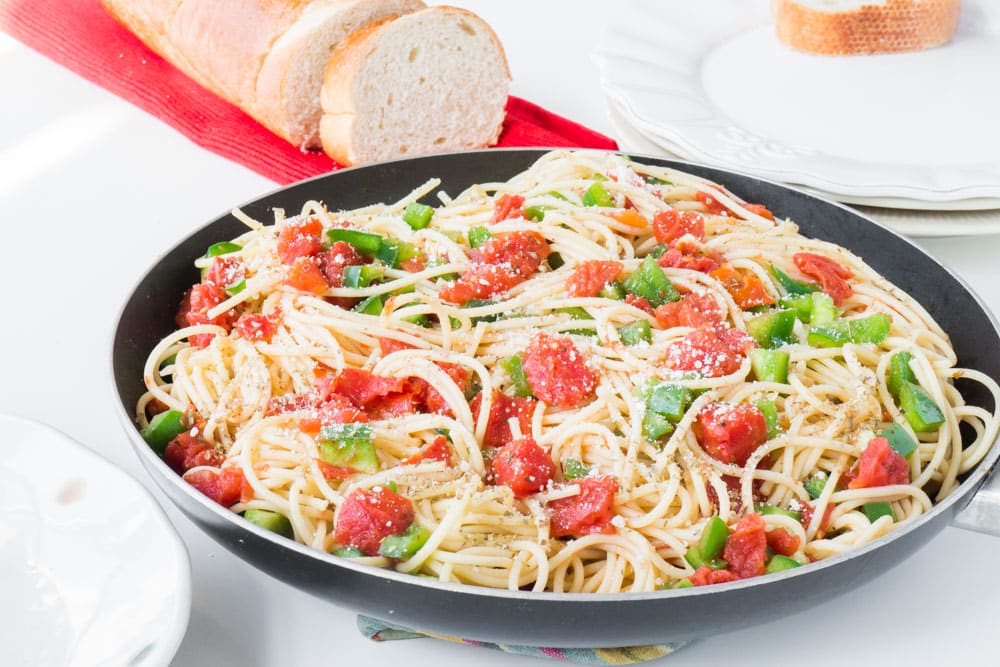
Serve immediately, generously topped with freshly grated Parmesan cheese. The combination of tender spaghetti, vibrant green peppers, and juicy tomatoes creates a light yet satisfying meal that feels incredibly fresh. In the depths of winter, when heavy casseroles and soups dominate, this dish offers a bright, summery contrast that can truly lift your spirits. It’s a healthy, vegetable-filled option that doesn't compromise on flavor or satisfaction.
For a detailed walkthrough of this quick 5-minute skillet solution, be sure to check out our article: Revive Leftover Spaghetti: The 5-Minute Skillet Solution.
Creative Twists and Tips for Next-Level Leftover Spaghetti
The beauty of this leftover skillet spaghetti with tomatoes and green peppers is its versatility. Once you've mastered the basic revival and skillet technique, feel free to unleash your culinary creativity:
- Add Protein: Elevate the meal by adding cooked protein. Sliced grilled chicken, crumbled Italian sausage, leftover meatballs, or even a fried egg on top can turn it into a more substantial dish.
- More Veggies: Don't limit yourself to just tomatoes and green peppers! Sautéed onions, mushrooms, spinach, zucchini, or even a handful of frozen peas added towards the end can enhance both flavor and nutrition.
- Herb Power: Fresh herbs like basil, oregano, or parsley stirred in at the very end will brighten the flavors significantly.
- Cheese Please: While Parmesan is classic, experiment with other cheeses. A sprinkle of mozzarella for meltiness, or a sharper pecorino romano, can add new dimensions.
- Aromatic Boost: A quick sauté of minced garlic before adding the peppers will infuse the entire dish with irresistible aroma.
- Serving Suggestion: As the reference context beautifully puts it, "Bread makes everything better." Serve your revived spaghetti with some crusty Italian bread to sop up any remaining delicious sauce.
Conclusion
Wasting food is truly "the worst," but thanks to a few simple hacks, leftover spaghetti never has to be a source of guilt again. You now possess the knowledge and techniques how to bring spaghetti back to life, transforming it from a refrigerator afterthought into a culinary star. This leftover skillet spaghetti with tomatoes and green peppers is more than just a quick meal; it's a testament to resourcefulness, a celebration of flavor, and a delightful way to enjoy a vibrant, vegetable-packed dish any time of year. So, the next time you find yourself with an abundance of pasta, don't despair. Embrace the revival, and savor every delicious, revived bite!
